

Where they live
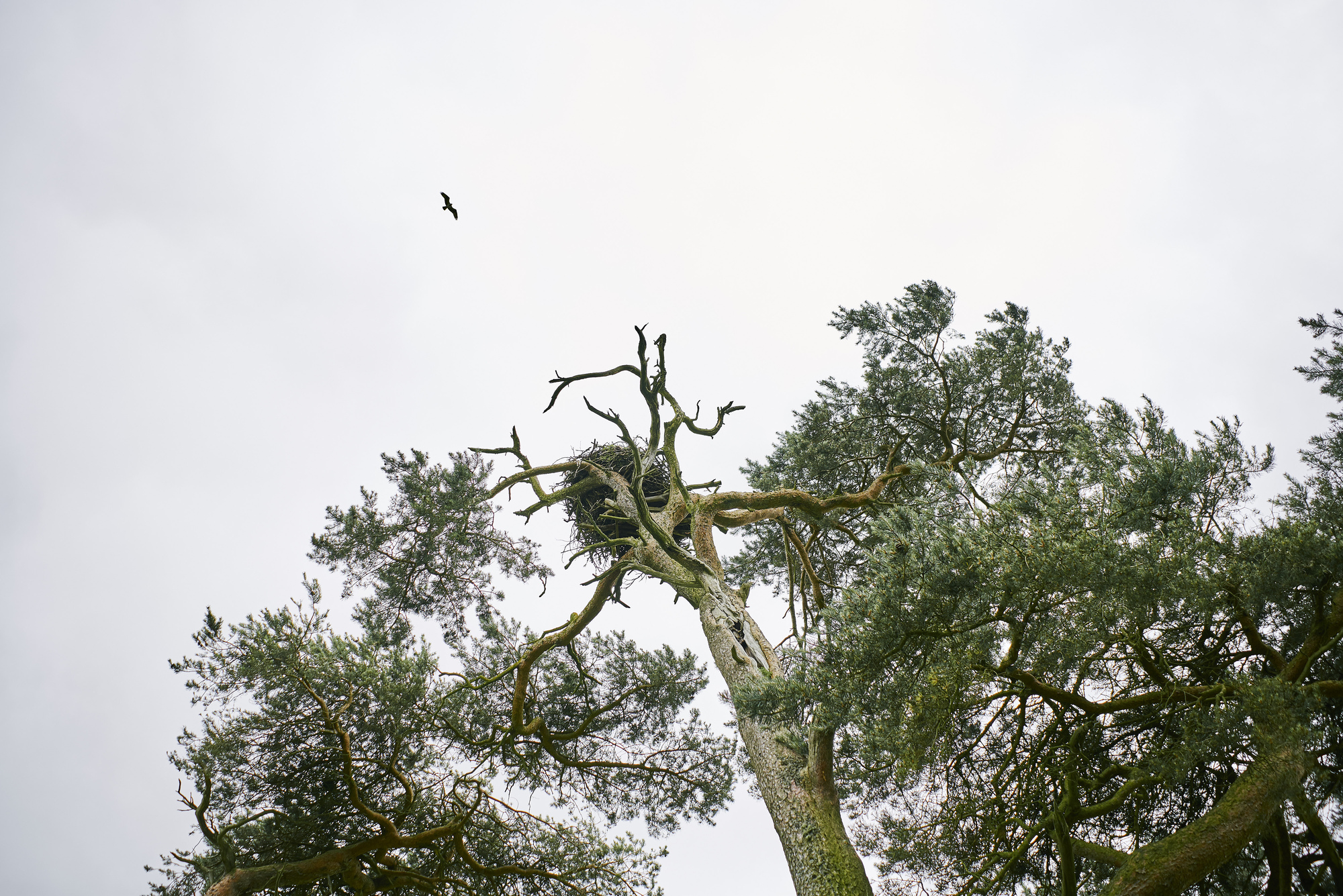
Ospreys like to build their nest in the top of large trees, usually conifers. They’ll happily use an artificial structure, so we sometimes build platforms in the treetops to help them get started. They choose forests near to clean lochs or estuaries where they can feed. They’ll also use small ponds if they’ve got the right fish.
They migrate between Scotland and Africa and tend to come back to the same nest year after year. Some nests have been in use for 20 years. Satellite tracking has shown birds flying as much as 260 miles (430km) in one day.
What they eat
Ospreys eat medium-sized fresh water and sea fish. They can fly up to 230 feet (70 metres) above the water. As they look for fish, they plunge down to catch it and dive as much as 3 feet (1 metre) under water. To stop water getting up their nose, they close their nostrils.
How to see them in the wild
Where you can see them
You can sometimes find ospreys fishing on clean lochs and estuaries, or on nests in conifer trees. You can also watch them on our Tweed Valley Osprey Project live stream in person at the Wildlife Hub at Glentress or online.
Visit the Tweed Valley Osprey Project page
When you can see them
Between late March (when they get back from Africa) and August or September, when they leave again.
What to look out for
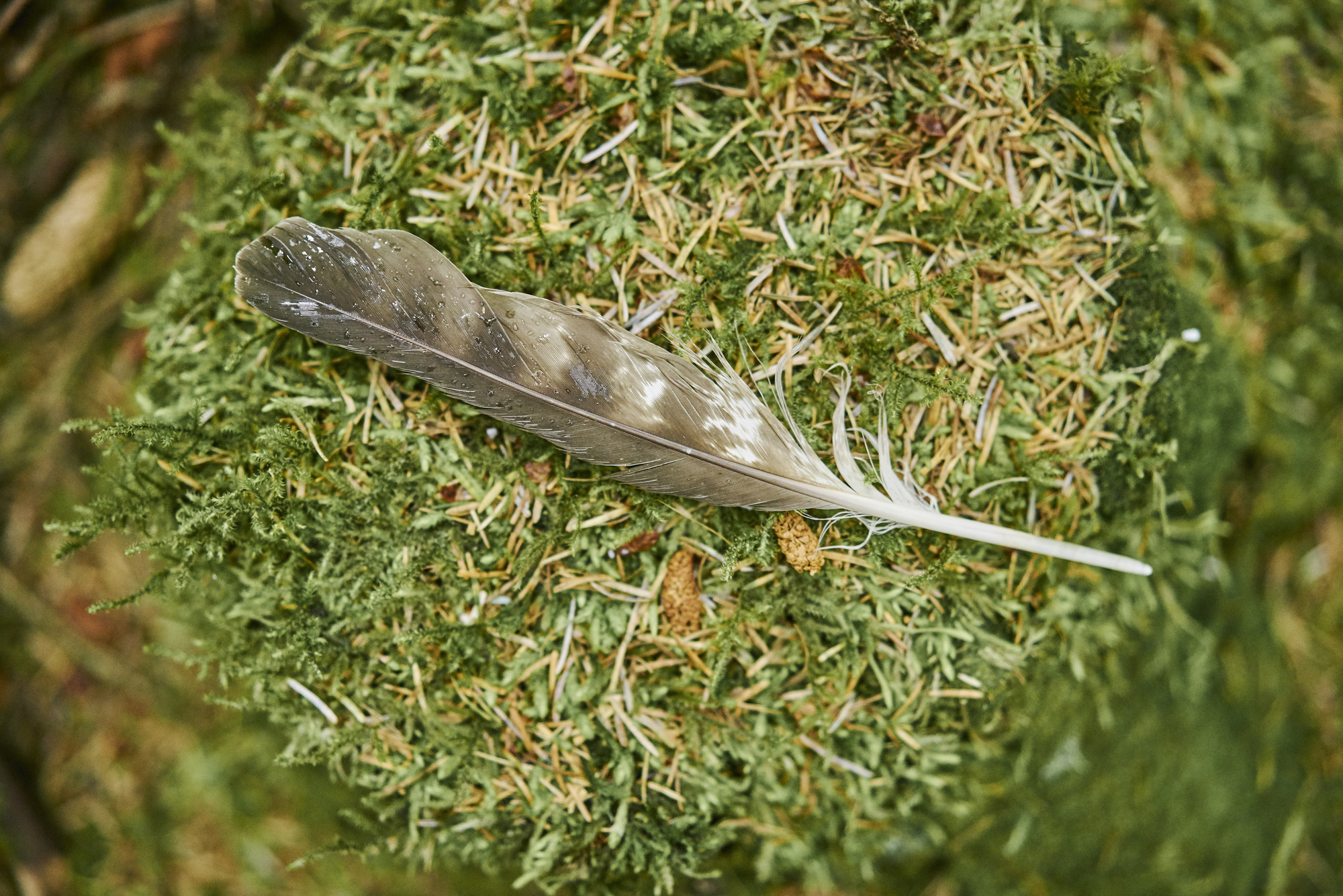
Adult ospreys have a white head with a speckled crown and a distinctive black eyestripe. The upper body is a darkish brown, while their underside is white with buff markings. Their body is around 1 foot 11 inches (60cm) and they’ve a wingspan of around 4 feet 11 inches (1.5 metres)