

This page provides some helpful information on ticks, how to identify them and how to remove them quickly and safely.

Why can ticks be a problem?
Ticks can sometimes pass on disease to humans, including Lyme disease. Not all ticks carry disease and removing them quickly and safely greatly reduces any risk of illness.
What should I do?
Keep enjoying the outdoors! Just remember to check for ticks afterwards and pay special attention to these key areas:
- in and around the hair and ears
- under arms
- inside belly button
- around waist and back
- between legs and back of knees
- feet and between toes
You're less likely to pick up a tick if you:
- keep to clearly defined paths
- avoid dense vegetation and long grass
- use suitable insect repellent
- cover up exposed skin
- check your skin and children’s skin after being outdoors
What not to do
Don’t cover an attached tick with perfume, alcohol, Vaseline or other chemicals, and never use heat (e.g. using a match). This can make the tick more likely to pass on disease.
What do I do if I find a tick on me?
If you find a tick:
- don't panic
- remove the tick as soon as possible
- the safest way to remove a tick is to use a tick removal tool, which can be found in many outdoor shops, chemists and vets
- after removing the tick, clean the bite area with hot soapy water or an antiseptic wipe
How to use a ‘tick twister’ tool
Use a tick removal tool to engage the tick from the side. Lift the hook very lightly and turn until the tick detaches.
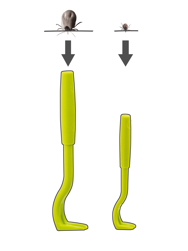
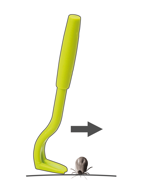
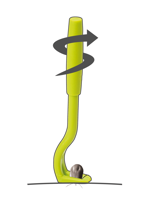
Tick removal tools come in a variety of shapes and sizes. Follow the manufacturer’s instructions for the specific tool.
